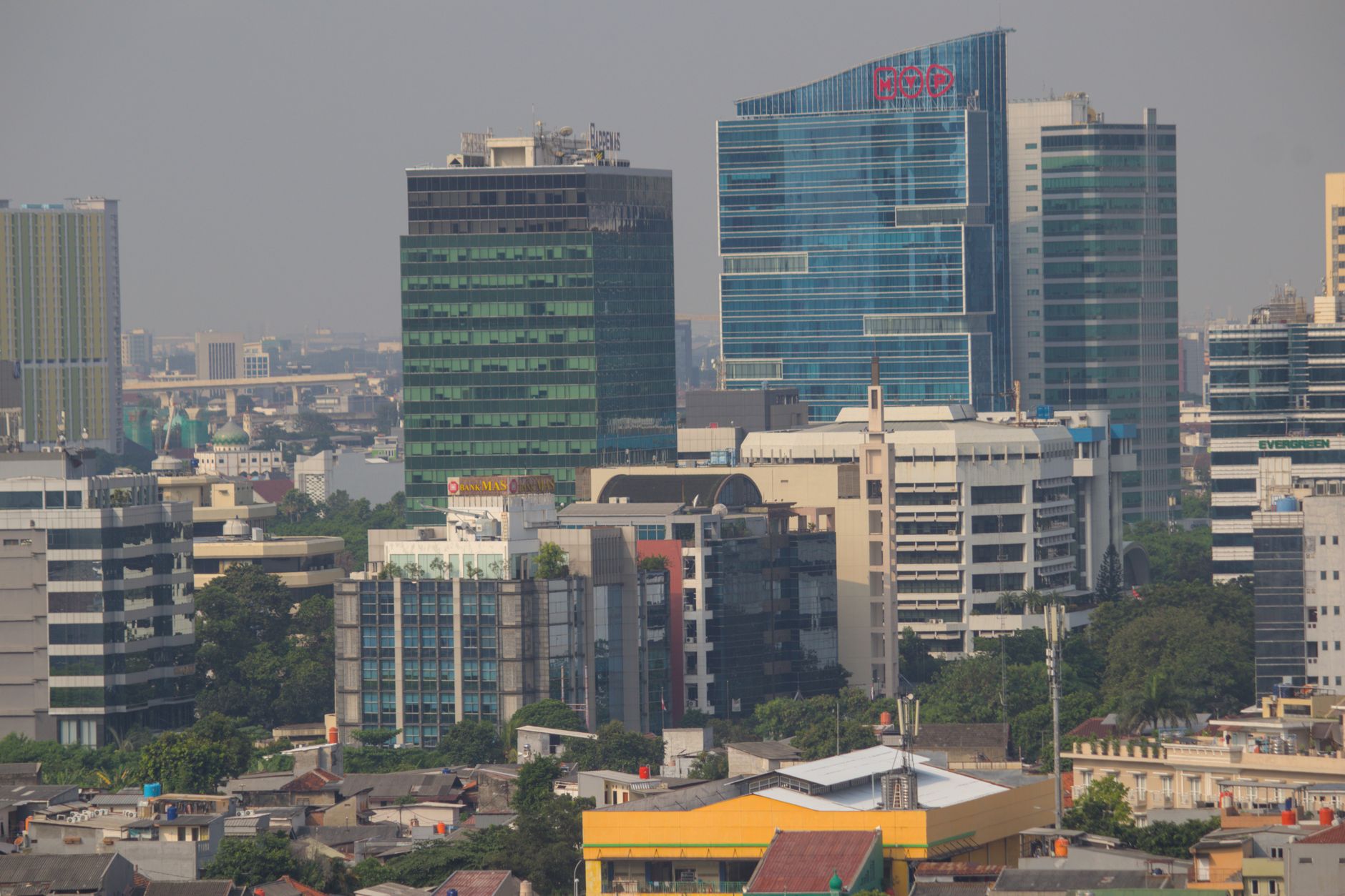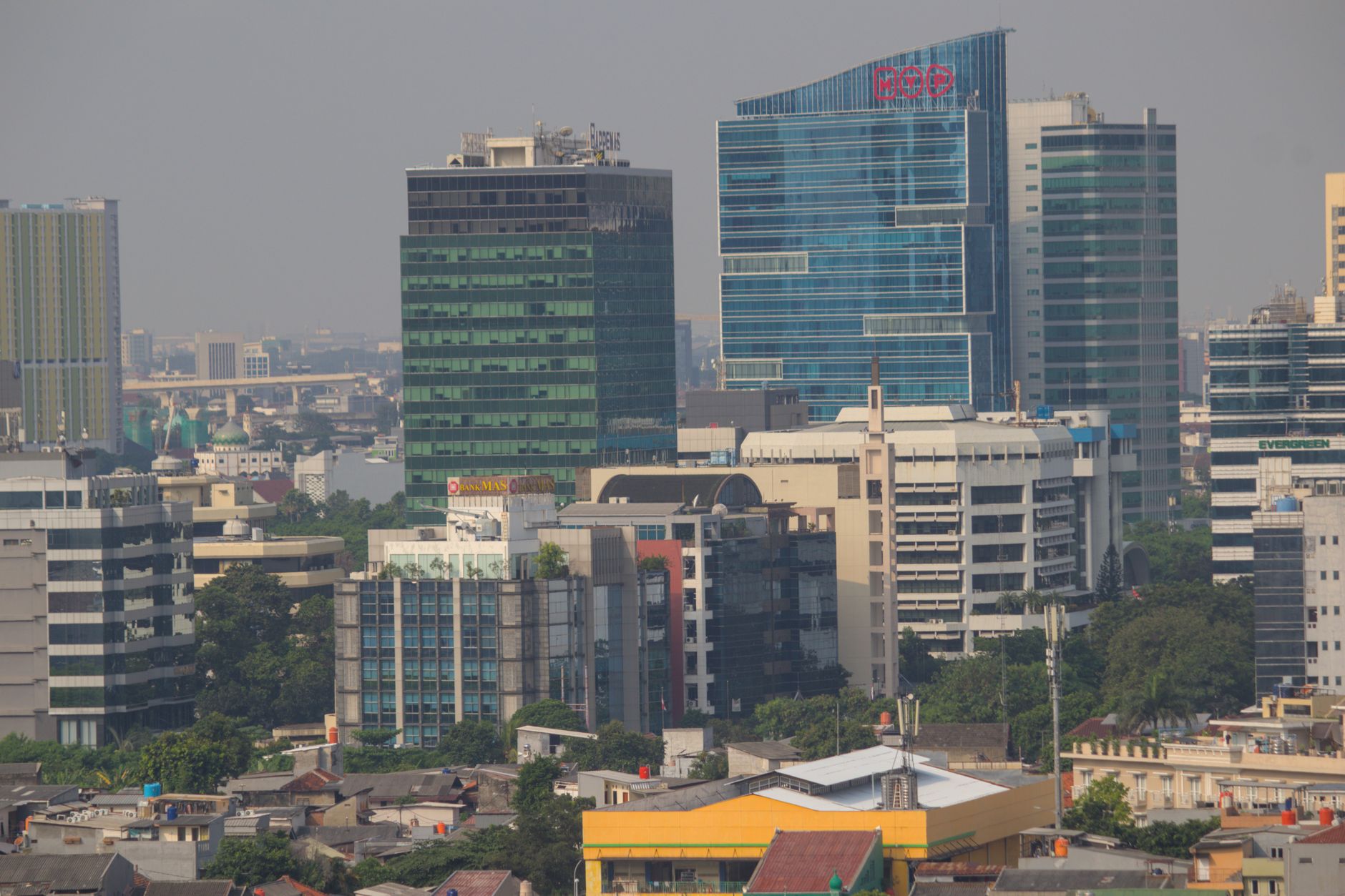
Why Indonesia is the Next Big Hub for Specialized Tech Roles
Discover why Indonesia is becoming the preferred hub for specialized tech and corporate roles, offering high-scale experience and cultural alignment for global firms.
For the last decade, Southeast Asian staffing conversations were dominated by the Philippines and Vietnam. However, a significant shift is occurring among high-growth startups in Australia, Singapore, and the United States. Indonesia, once viewed primarily as a market for consumer-facing local apps, has evolved into a powerhouse for specialized digital talent. Its workforce is no longer just supporting regional unicorns; it is increasingly powering the global operations of international firms.
The maturation of Indonesia's tech ecosystem has created a unique talent pool that combines technical rigour with a deep understanding of complex, high-scale operations. As companies look to diversify their teams, Indonesia offers a compelling mix of cultural alignment, a massive youth population, and a sophisticated domestic tech scene that serves as a training ground for senior roles. Understanding the nuances of this market is essential for any leader considering a data team strategy or expanding their engineering and product functions.
At Sprint Labs, we have seen Indonesia become a preferred destination for roles that require not just execution, but strategic thinking. From fintech compliance and advanced data science to complex supply chain management, the Indonesian talent market is proving its versatility. This article explores why this region is the next critical hub for specialized roles and how your organization can tap into its potential.
A domestic ecosystem built on scale
The primary driver behind Indonesia's talent quality is its own domestic economy. With a population exceeding 270 million, Indonesia has fostered one of the most vibrant startup scenes in Asia. Local giants in e-commerce, ride-hailing, and digital payments have forced the workforce to solve problems at a scale that few other regions experience. When a team member has helped manage a platform serving tens of millions of active monthly users, they bring a level of operational maturity that is difficult to find elsewhere.
This "unicorn training ground" effect means that senior professionals in Jakarta, Bandung, and Yogyakarta are accustomed to international standards of agility and technical excellence. Unlike markets that rely solely on service-based outsourcing, the Indonesian talent pool is product-led. They understand how to build for longevity, manage technical debt, and collaborate across cross-functional teams. This makes them ideal for companies seeking a managed offshore staffing model where team members are deeply integrated into the client's internal culture.
Specialization across diverse functions
While Indonesia is often recognized for its technical talent, the breadth of specialization extends across all corporate functions. The country is producing highly skilled professionals in finance, marketing, and operations who are fluent in the tools and methodologies used by global enterprises. This is particularly evident in the rise of specialized hubs within the country, such as Yogyakarta for creative and design roles, and Jakarta for high-stakes finance and data analysis.
For organizations looking to build a global finance function, Indonesia provides access to accountants and analysts familiar with international reporting standards and complex tax environments. Similarly, the marketing talent in Indonesia is deeply experienced in mobile-first strategies and social commerce, often leading the way in digital trends before they hit Western markets.
| Function | Specialized Skills in Indonesia | Strategic Advantage |
|---|---|---|
| Engineering | Microservices, Cloud Infrastructure, Mobile Development | Experience with massive user loads and high concurrency. |
| Data Science | Predictive Analytics, Machine Learning, Data Governance | Strong mathematical foundations and practical application. |
| Finance | FP&A, Compliance, International Accounting | Experience in highly regulated and fast-moving markets. |
| Marketing | Growth Hacking, Performance Marketing, Content Strategy | Deep understanding of mobile-first consumer behaviour. |
Bridging the gap: Culture and communication
One of the most cited reasons for choosing Indonesia is the cultural emphasis on collaboration and community, known locally as "gotong royong." This translates into a workplace culture that values collective success and open communication. For hiring managers in Australia or Singapore, the time zone alignment is nearly perfect, allowing for real-time collaboration without the friction of extreme time differences.
English proficiency among the white-collar workforce in urban centres is high, particularly within the tech and professional services sectors. More importantly, the communication style is often direct and solution-oriented. When companies move beyond the traditional offshore vs outsourcing debate and choose to build dedicated teams, they find that Indonesian professionals integrate seamlessly into their existing workflows. This cultural compatibility is a major factor in long-term retention and team stability.
Navigating the regulatory landscape
While the talent is exceptional, the administrative requirements of employing in Indonesia can be complex for foreign entities. The regulatory environment requires a deep understanding of local labour laws, social security (BPJS), and tax compliance. This is where the managed staffing model becomes a competitive advantage. By partnering with a firm that handles the contractor engagement, contracts, fees, payments, time off, performance concerns, replacement and offboarding, companies can focus on the output of their team rather than the intricacies of local bureaucracy.
Furthermore, understanding regional benefits and mandatory requirements, such as the 13th-month salary (THR), is crucial for maintaining a satisfied workforce. Leaders should consult a Southeast Asia leave and payroll cheat sheet to ensure their offers remain competitive and compliant. Taking a proactive approach to these details signals to high-level talent that the employer is committed to their well-being and professional growth.
The future of Indonesia as a regional leader
The Indonesian government has made significant investments in digital literacy and infrastructure, ensuring a steady pipeline of talent for years to come. Initiatives to improve internet connectivity across the archipelago and support for coding bootcamps have democratized access to tech careers. This means the talent pool is not just senior-heavy but has a healthy pipeline of mid-level professionals ready to step into leadership roles.
For founders and operations leaders, Indonesia represents a market that has moved past the "low-cost" label. It is now a "high-value" destination. The cost of living remains lower than in Sydney or London, but the primary motivation for hiring here should be the ability to find specialists who can drive business outcomes. Whether you are building a customer support team or a specialized engineering squad, Indonesia offers the scale and sophistication required for modern growth.
Frequently asked questions
What makes Indonesian tech talent different from other regional hubs?
The Indonesian talent pool is unique because it has been tested by one of the world's most competitive and high-scale domestic tech markets. Employees are often veterans of large-scale startups where they had to solve complex problems related to logistics, payments, and user retention for millions of users. This creates a product-focused mindset that is highly valuable for international companies looking for strategic partners rather than just task executors.
How does the time zone in Indonesia work for Australian or Singaporean companies?
Indonesia spans three time zones, with Jakarta (WIB) being only one hour behind Singapore and three to four hours behind the Australian East Coast, depending on daylight savings. This allows for significant overlap in the working day, facilitating real-time meetings, collaborative coding sessions, and instant communication. This proximity makes Indonesia an excellent choice for teams moving toward async-first workflows that still require periods of synchronous connection.
What is the typical English proficiency level for specialized roles?
In the specialized professional sectors of Jakarta, Bandung, and Bali, English proficiency is generally high. Many professionals have worked in multinational companies or local startups with international investors, where English is the primary language for documentation and high-level meetings. At Sprint Labs, we ensure all team members are thoroughly vetted for their communication skills to ensure they can contribute effectively to global teams from day one.
Is it difficult to manage payroll and compliance in Indonesia?
Managing payroll and compliance independently can be challenging for direct employers due to specific local requirements like BPJS (health and social security) and the mandatory religious holiday allowance (THR). However, using a managed contractor model avoids the need for the client to employ locally. Sprint Labs engages vetted independent professionals under contractor agreements and handles contracts, fees, payments, time off, performance concerns, replacement and offboarding, allowing the client to focus on managing the team's performance.
Hiring in Asia? We'll do it for you.
Sprint Labs is a managed staffing firm. We recruit, vet, place and manage senior professionals across the Philippines, Vietnam, Malaysia, Indonesia and India. You direct the work, we handle the engagement.
Create a request →