Why Jakarta is the New Talent Epicenter for AU & SG Firms
Discover why Jakarta is the new talent epicenter for AU and SG firms. Learn how Indonesia's data and creative talent offers a competitive edge over traditional hubs.
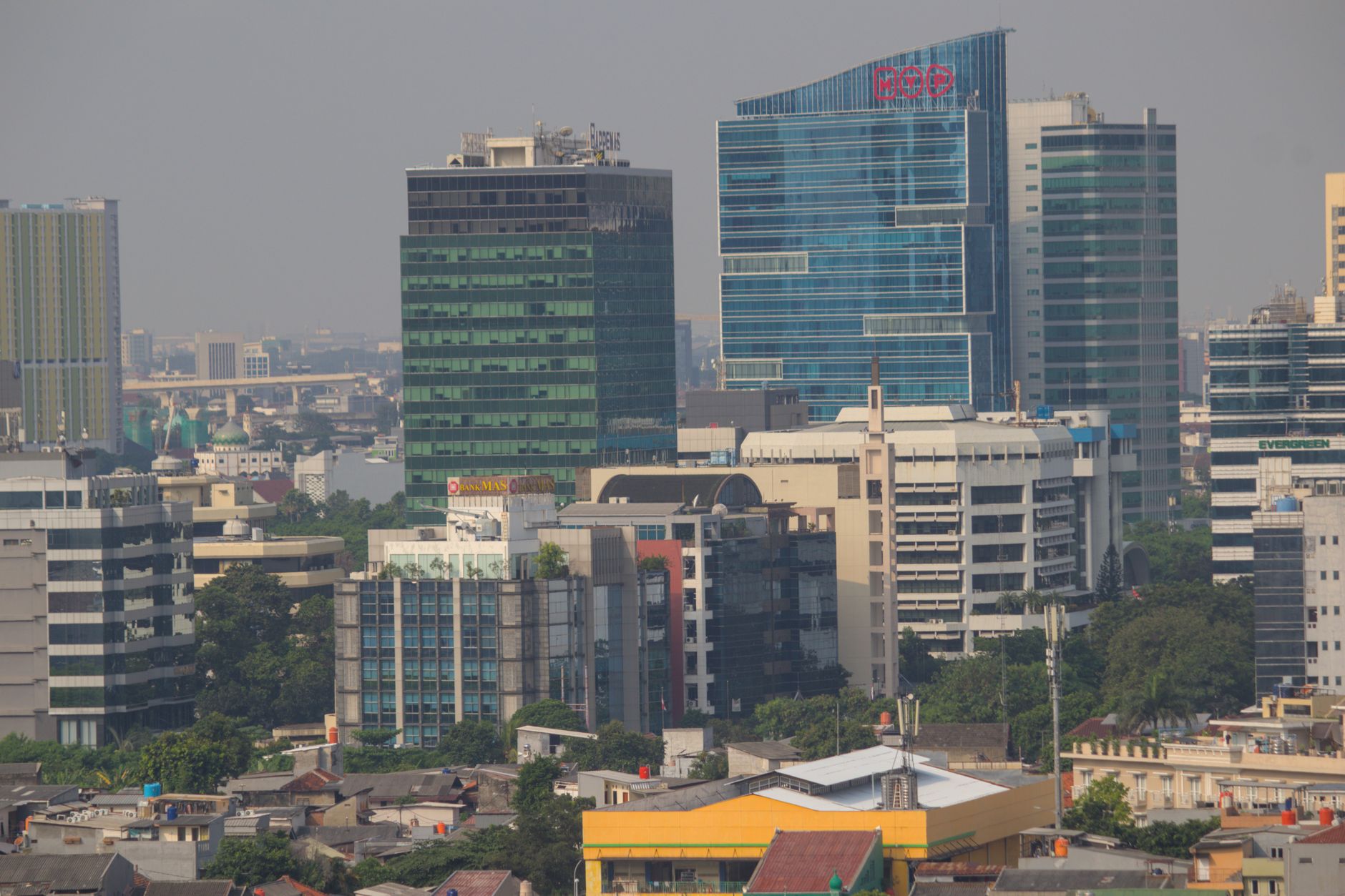
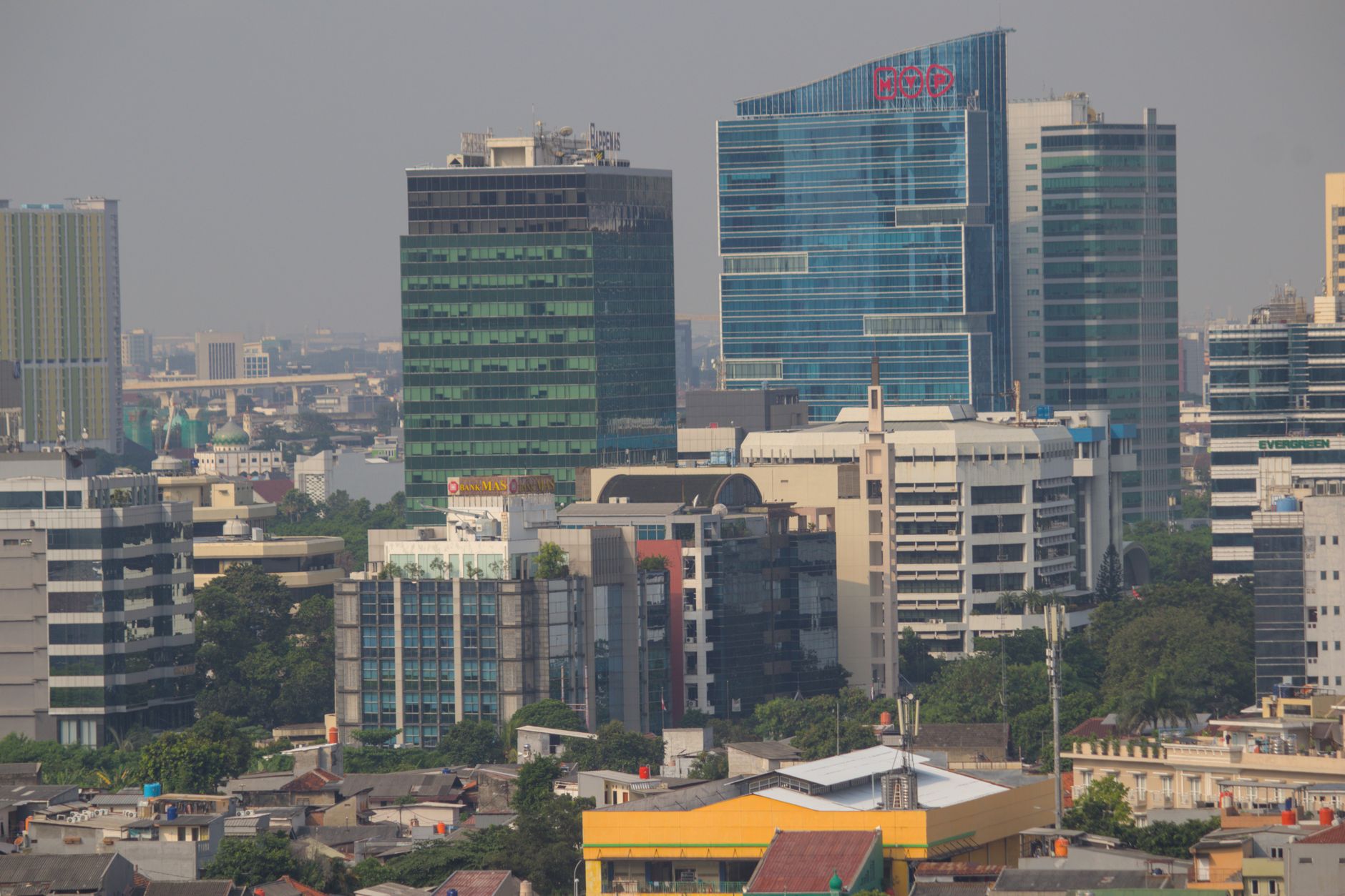
For decades, the default strategy for Australian and Singaporean firms looking to scale was to head straight to Manila. The Philippines remains a powerhouse for customer success and back-office operations, but a shift is occurring in the regional talent landscape. Founders and hiring managers are increasingly turning their gaze toward Jakarta as the next frontier for high-end technical and creative functions.
Indonesia is no longer just a massive consumer market; it has become a sophisticated hub for specialized talent. With a population exceeding 278 million and a booming digital economy, the nation is producing a generation of professionals who have cut their teeth in high-growth "Unicorn" environments. For firms in Sydney, Melbourne, and Singapore, Jakarta offers a unique combination of cultural proximity, timezone alignment, and a deep pool of talent that excels in data science, complex engineering, and digital design.
As the competition for top-tier talent intensifies globally, understanding the nuances of the Indonesian market is essential for any leader looking to build a sustainable distributed team. While the Philippines remains excellent for certain functions, Jakarta is carving out a niche as the go-to destination for roles that require a blend of technical depth and creative intuition.
The Rise of the Indonesian Digital Economy
The maturation of Indonesia's talent pool is directly linked to the explosive growth of its domestic technology sector. The emergence of home-grown giants like GoTo, Traveloka, and Bukalapak created a high-pressure training ground for thousands of local professionals. These companies did not just build apps; they built complex ecosystems involving logistics, fintech, and data processing at a scale few other markets can match.
When you hire a team member in Jakarta today, you are often hiring someone who has experience working in these fast-paced environments. They understand how to scale systems and how to navigate the complexities of a rapidly evolving digital landscape. This "Unicorn alumni" effect has raised the baseline for professional standards across the city, making it an attractive alternative to traditional hubs.
Furthermore, the Indonesian government has made significant investments in digital literacy and STEM education. This proactive approach ensures a steady pipeline of new talent entering the workforce each year. For Australian and Singaporean firms, this means less time spent fighting over the same small pool of candidates and more opportunities to find high-potential individuals who are ready to contribute from day one.
Specialized Data and Creative Capabilities
While the Philippines is often celebrated for its English-speaking customer service representatives, Indonesia has quietly become a leader in data and design. There is a distinct "maker" culture in Jakarta that translates exceptionally well to roles in product design, UI/UX, and creative marketing. The aesthetic sensibility found in Indonesian design circles is often highly aligned with modern international standards, making them a natural fit for global brands.
In the realm of data, Indonesian professionals are known for their analytical rigour. Because the domestic market is so data-heavy, roles in data engineering, business intelligence, and analytics are highly sought after. Firms that require complex data modeling or advanced technical support often find that Jakarta offers a higher density of these specialized skill sets compared to other regional hubs.
This specialization makes Jakarta an ideal location for firms looking to fill mid-to-senior level roles. If you are building a global finance function or a high-end marketing team, the depth of talent available here can be a significant competitive advantage. You can learn more about how we structure these teams by visiting our guide on building global finance functions.
Timezone and Cultural Synergy
One of the primary reasons Singaporean and Australian firms prefer Indonesia is the sheer convenience of the timezone. Jakarta is only one hour behind Singapore and three to four hours behind the Australian east coast (depending on daylight savings). This overlap allows for a full day of synchronous collaboration, which is vital for agile teams and fast-moving projects.
Cultural synergy also plays a major role. Singapore and Indonesia share deep historical and economic ties, leading to a high level of mutual understanding in business etiquette. For Australian firms, the proximity of Indonesia makes it a viable location for regular site visits, fostering a stronger sense of connection between the onshore and offshore teams.
Building a successful distributed team requires more than just technical skills; it requires a shared work ethic and communication style. Indonesian professionals are generally known for their collaborative nature and high level of professional courtesy. When combined with async-first workflows, this cultural alignment leads to higher productivity and lower friction in daily operations.
Comparing the Regional Hubs
Choosing between Jakarta, Manila, or Ho Chi Minh City depends entirely on the specific needs of your business. While all three regions offer talented professionals, each has its own "superpower." The following table provides a high-level comparison of the typical strengths found in these markets:
| Feature | Jakarta (Indonesia) | Manila (Philippines) | Ho Chi Minh City (Vietnam) |
|---|---|---|---|
| Primary Strength | Data, Creative, UI/UX | CS, Sales, Back-office | Heavy Engineering, Mobile |
| English Proficiency | High (Professional) | Very High (Native-level) | Moderate to High |
| Cost Efficiency | Balanced | Highly Competitive | High Quality/Price Ratio |
| Talent Density | High in Fintech/Data | High in BPO/Operations | High in Backend Dev |
For a deeper dive into how these markets compare for specific roles, you might find our analysis on the real cost of offshore talent helpful in setting your budget and expectations.
Managing Compliance and Employment in Indonesia
While the talent in Jakarta is exceptional, the regulatory environment in Indonesia can be complex for foreign entities. Navigating local labour laws, social security contributions (BPJS), and tax compliance requires local expertise. This is where a managed staffing partner becomes essential.
By using a managed contractor model, firms can access vetted independent professionals without setting up a local legal entity. The partner handles the engagement administration, including contracts, fees and payments, time off, performance concerns, replacement and offboarding, while the client maintains direct control over the team member's work and output. This model is particularly effective in Indonesia, where changes in labour regulations (such as the Omnibus Law) mean firms should get local advice before hiring directly.
Ensuring that your team has the right tools is also a critical operational step. We recommend reviewing our hardware and operational checklist to ensure your Jakarta-based team members are set up for success from their first day.
Retention and Professional Growth
The Jakarta talent market is competitive. Top performers are not just looking for a paycheck; they are looking for career progression, mentorship, and a strong company culture. Australian and Singaporean firms that succeed in Indonesia are those that treat their remote team members as integral members of the core team, rather than an "outsourced" resource.
Retention strategies in Jakarta should focus on clear communication, regular feedback, and opportunities for skill development. Indonesian professionals highly value workplace stability and a sense of belonging. Firms that invest in their people and offer a clear vision for the future will find that Jakarta offers some of the most loyal and dedicated talent in Southeast Asia.
Effective management is the cornerstone of retention. Leaders must adapt their styles to suit a distributed environment, focusing on outcomes rather than hours clocked. For more on this, explore our leadership skills for distributed teams guide.
Frequently asked questions
Is English proficiency high enough in Jakarta for client-facing roles?
Yes, especially among the professional class and those working in the technology sector. While the Philippines may have a higher baseline for general English, the senior talent in Jakarta is typically fluent in professional English. Many have studied abroad or worked for multinational corporations, making them well-suited for roles in sales, marketing, and project management where clear communication is vital.
How does the cost of hiring in Jakarta compare to Singapore?
Jakarta offers a significant cost advantage compared to hiring locally in Singapore or Australia. Typically, a firm can hire a senior-level professional in Jakarta for a fraction of the cost of a similar role in Singapore, without sacrificing quality. This allows companies to build larger, more specialized teams while maintaining a leaner operational budget.
What are the common challenges when hiring in Indonesia?
The primary challenges involve navigating the local regulatory landscape and understanding the nuances of Indonesian labour law. Additionally, the competition for top talent is fierce, so firms need a robust vetting process and a compelling employer value proposition. Using a managed staffing firm can mitigate these risks by providing the necessary local infrastructure and expertise to secure and retain top performers.
Which roles are best suited for the Indonesian market?
While we staff all functions, Jakarta is particularly strong in data science, UI/UX design, digital marketing, and financial analysis. Any role that requires a combination of technical proficiency and creative problem-solving is a great fit for the Indonesian talent pool. The city is also an excellent hub for growth-focused roles like SDRs and RevOps specialists who can support international expansion.
How does Sprint Labs ensure the quality of talent in Jakarta?
We use a rigorous, multi-stage vetting process that includes technical assessments, cultural fit interviews, and thorough background checks. Because we operate locally, we have a deep understanding of the market and can identify high-potential candidates who might be overlooked by traditional recruiters. Our focus is on senior talent who can hit the ground running and add immediate value to your organization.
For a closer look, read our managed staffing vs bpo comparison.
Hiring in Asia? We'll do it for you.
Sprint Labs is a managed staffing firm. We recruit, vet, place and manage senior professionals across the Philippines, Vietnam, Malaysia, Indonesia and India. You direct the work, we handle the engagement.
Create a request →